Think about all the things made with wood. What would it mean for the cultures in your world if this resource were scarce? How would they cope?
Anyone who has played Sid Meier’s Civilization or Age of Empires, will know all about the importance of resources. They determine what you can build, trade or sustain. Wars are fought over them: I know I’m guilty of this, taking out the French (in Civilization) for daring to set up a village and steal the gold resource I had been eying with lust.
For these reasons, writers need to know what resources each of the countries or regions in their world are privy to; after all, resources determine what is possibility and are a great way to provide a sense of realism. Resources can also add a good source of conflict in your story.
How plentiful or sparse certain resources are will have an effect on your story. If your story takes place in a desert, your characters are not going to have access to wood products, unless they are imported. The lack of wood will affect tools or weapons used by your characters, similar to countries with less access to certain metals. Consider how the people in each country or region cope with not having certain resources.
Import and export is another important aspect, and these concepts can say a lot about characters if they own certain products that are made from rare or inaccessible resources in their country.
Take time when plotting your resources, research where they are found to make sure where you want to place them makes it logical. Think long and hard on the impact of certain resources being rare or absent and how people have adapted to not having them. Do resources provide conflict within your world? Which resources or products made from them are costly to import? How do resources affect your world’s economies?
Your character (or characters) stumbles upon a mouse in their home, write a short story that shows their reaction to the tiny creature and then detail what happens next, e.g., do they try to kill it, save it, befriend, and so on.
Clothes say a lot about a person, and it should be no different with characters. Albeit writers need to beware of info-dropping about clothing, or setting a character in front of a mirror just for said-character or narrator to go over ever inch of their appearance. However, little bits of description here and there about your character’s apparel can say a lot about your character, even if we are told not to judge a book by it’s cover: We do so frequently.
Clothing can give an idea of a character’s social standing or wealth. Velvet, satin, damask — these fabrics speak of wealth while wool and cotton are more common, less expensive. Throw in authentic gems and the reader knows the character is loaded. Make a character’s clothing patchy, threadbare, and the reader will know the character is poor. Of course, appearances can be very deceiving, which can lead to writerly fun when toying with readers’ perceptions and then standing them on end.
Colors can be just a telling. Perhaps your character favors certain colors or just one in particular — their favorite color. Certain colors or color palettes can also hint at personalities: yellow, a bright, warm person; pink, a bubbly person; blue, a calm person; and so on. Once again, it might be fun for a writer to play with these concepts, and have a character who by nature is a pessimist, or just plain gloomy, really enjoy the color pink and actively seek it out in clothing.
The types of clothes worn also speak volumes. A woman who wears form-fitting clothing or revealing clothing is most likely secure with her appearance or sexuality; of course, that is not always true. A woman who prefers to wear pants and t-shirts might just be a tomboy. There are also men who prefer to dress as women, and there are men for whom dressing up for special occasions is like a trip to the dentist.
Apparel can also bear sentimental values: a piece that belonged to a relative or lover, a piece found by your character, or purchased by your character on a special occasion or trip — the list goes on. Such pieces can hold character development or even plot, similar to the “Together in Paris” necklace worn by Anastasia in the Fox film. Do not discount the power mementos can hold.
Once you get a feel for what your character likes to wear and why, practice restraint — don’t go writing a paragraph of description, which will only bore your audience to tears. A sentence here or there, accompanied by character actions, will suffice.
As we celebrate the overly commercialized Valentine’s Day, I decided to do a themed piece for the day and settled on a world-building related topic, because to be honest, I’m not the most romantic person in the world so a how-to-write romance is a little out of my league.
However, courtship is an important topic for those who are working in speculative fiction, especially since odds are there will be some variety of romance in your writing. What are the expectations in the cultures that exist in your book when it comes to courtship? This will have to be explored before you start writing your romances, whether they are the main dish or the side dish of a side dish. The audience needs to be clued into what is acceptable or what is at stake if the characters are going against the grain.
Explore different cultures, periods of history, etc., for the answer to this question, and don’t be afraid to make your own unique traditions. Did you know back in the day, Finnish girls who came of age would wear an empty sheath around their girdles, which would be filled by the knife of an interested man — if a girl returned his interest, she would keep the knife. If anyone has seen “The Patriot,” they will know about bundling bags, which allowed for a slumber party of sorts for couples who were courting without endangering a woman’s virtue.
In older eras, writers should note the level of control parents often had over their children, including deciding when and who they married; after all, marriage was more about family advancement than love for the longest time. Among nobility in Europe, it was not so odd for betrothals to occur when the intended spouses were infants or children. The betrothed then often did not meet until just before their wedding. In some cultures, parents will even employ matchmakers to ensure their children wed well.
However, writers are not bound to courting traditions of the past, when creating their culture’s courting behaviors. No, writers have the freedom to toy with gender roles, expectations and traditions, so have fun with your cultures’ courting. If given thought, courting behaviors and traditions will not go unnoticed by readers and they will only add depth to the story as long as writers resist the urge to info-dump.
For additional reading, visit this blog post on ‘The Dreamer’ webcomic blog that talks a little about courting and marriage in Colonial American (the webcomic itself is also very good and worth the read).
I cannot believe how many writers tend to give animals, largely horses, dog-like traits. Disney/Pixar is especially guilty of this — I could not help but groan that the horse in Tangled behaved so doggish, despite the fact that I knew it was done for humor. It is understandable why some writers have the animals in their novel take on doggish traits, because let’s face it, must individuals have had more access to dogs during their lives compared to with horses, cows, chickens, etc.
While the trope is commonly used for humor, serious writes need to get — well, serious. Find places where you can have access to animals that appear or play a major rule in your novel, or find people who raise them and work with the animal on a daily basis. In this era of the internet, there is no excuse not to be able to do the latter with several handy dandy forums specializing in different animals and different animal breeds. The NaNoWriMo forum is also a great place to pose questions about different animals behaviors and receive a multitude of responses.
Beyond the species itself, writers need to research the breeds they will be using in their novels as they will have different temperaments, mannerisms and behaviors. In my experience with pigs, Yorkshire pigs are more high-strung when compared to Hereford pigs, Hamps or Durocs. In the goat world, I’ve observed Nubian goats tend to be easier to startled compared to Oberhasli goats or Alpines. Horse breeds are no different with “warm-blooded,” “hot blooded” and “cold bloods” breeds all having unique feels.
Writers also need to understand that some animals are just not domesticated. A wolf is not going to play fetch, even though they are closely related to the domesticated dog. Komodo dragons will not make cute, cuddly pets. While it is acceptable for characters to approach non-domesticated animals, the writer better be portraying their characters as ignorant, naive, stupid or just plain arrogant. There must be repercussions or the writer should have the animal flee.
For some fun reading on this topic, visit TvTropes.com for a list of examples. For information on horses, the most commonly misrepresented animal, visit The Horse Forum or one of the other countless forums dedicated to one of man’s oldest companions: the horse.
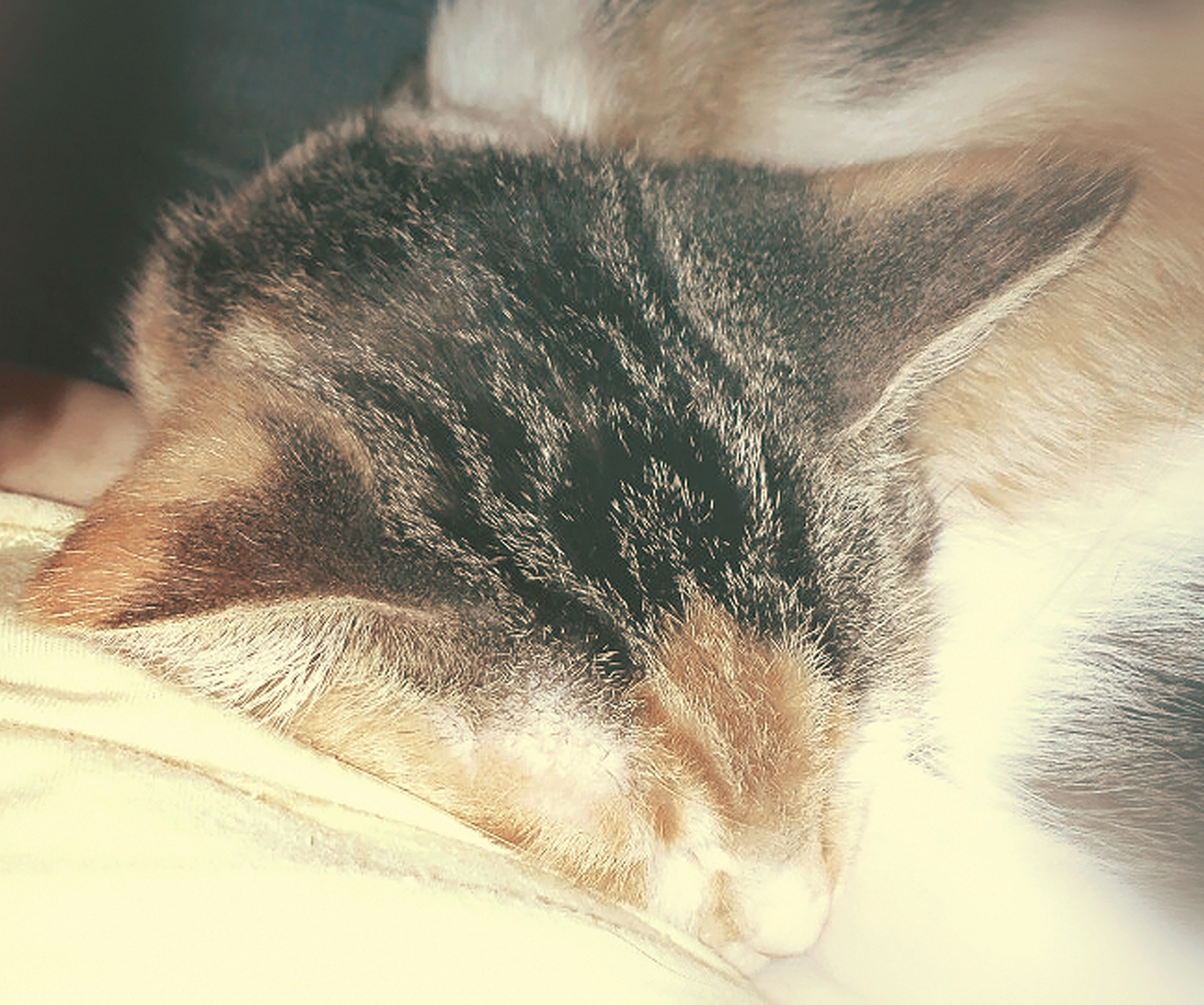
My kitty Jazzlyn, aka Jazzy, says, “Hi” and that she is not a smelly dog.
As soon as the news broke that Pope Benedict XVI was resigning, the cogs in my head started to turn — the cogs that drive the writer and world-builder in me. I could not help but think what a perfect opportunity it is to observe, learn and possibly borrow and tweak practices to be used by groups, societies and even countries in world-building settings.
How do societies in your world handle transition? It is a very important aspect that writer’s need to consider, which is why I recommend writers follow the choosing of the new pope, something might strike a cord that you can use in your writing — even if you aren’t Catholic or don’t agree with them. Let’s face it, it is an interesting, complicated and secretive process, which makes it particularly tantalizing for fiction.
Besides watching the selection process, I am once again going drop another plug-in for writers to look to history for inspiration for transitional periods of power not just for the papacy but for different governments throughout the world: There truly are some very interesting rituals and practices out there for writers to make their own and add to.
Current events and research are truly some of the best ways to be inspired!
[Writer’s Note: I will go more in-depth into governments and power structures in the currently running World-building Series]
I had never really wanted to get into journalism — no, I had grandiose dreams of entering the publishing industry, where I would work my way up. However, once graduation came, reality hit. The industry was changing and there was a recession, which was changing everything. Jobs were scare and openings required experience — something I, fresh out of college, did not have. To get by, I turned to retail. It was a dead-end job that I hated.
One day a former elementary school teacher of mine suggested I put in an application at the local paper, which I did. I was through the roof when I got the email several months down the road asking if I was still looking for a job. The interview went favorable and here I am a year and a half later and still employed by the local newspaper. Here are some of things that I never expected when I went to work:
I knew the company owned several publications from the two weekly local papers to month and bi-monthly magazines, but I never suspected that I would work on almost all them, which makes from some crazy deadlines. However, the level of experience provided has just been astronomical and well-rounded. The variety of subjects is also very refreshing from local news and meetings to animals, home decor and gardening.
I never expected to do the amount of traveling I do, from weekly trips to Goshen to going as far as South Bend and Rochester. It is always nice to get out of the office, minus when you have to do so during a bad snowstorm.
That I would work on a monthly magazine that reaches municipal departments and elected officials in fourteen states and handles topics geared toward municipalities. I never expected I would be regularly calling places in Tennessee, Pennsylvania, Wisconsin, etc., and talking to officials there. This is truly one of my favorite experiences.
That I would walk out to the middle of a frozen lake with only three to four inches of ice just to get ice fishing photos. I have seldom been as unnerved as I was then, especially since at the time I had no idea how thick the ice was… it was also my first time out on a frozen lake.
I never imagined I would find myself swarmed and surrounded by turkeys… they kind of creep me out, but after being around them, I began to see their charms and their silly personalities. Along this line, I never thought I would be in a pen with giant diary cows. I’m a farm girl, but I have had unpleasant experiences with cows, so it took a lot of effort for me to remain calm when walking amongst them.
It truly has been quite the experience, and I am eternally grateful I was given the opportunity. I am sure there will be many more unexpected experiences in the future, and I will look forward to them.
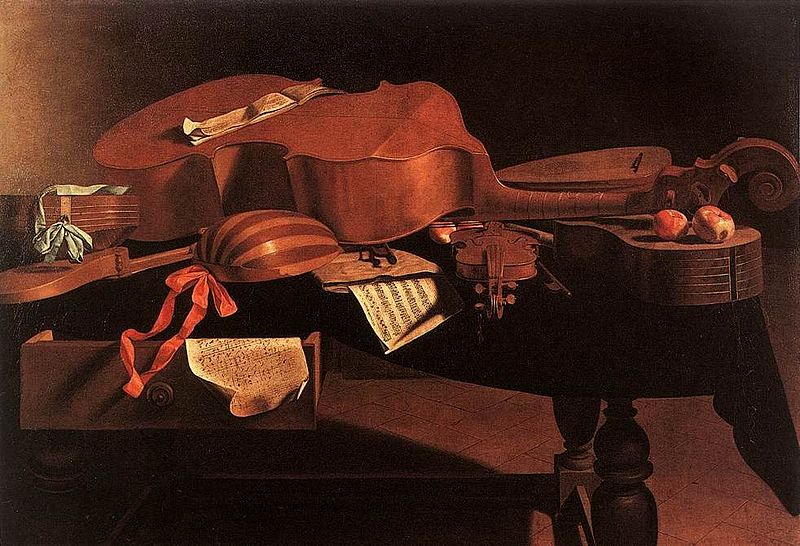
What instruments are present in your world and what type of music is preferred?
While this may seem like putting the cart before the horse, when world-building, writers need to consider what their world’s cultures will look and feel like. This is a step some writers never fully realize, making their worlds feel like cardboard or a carbon copy of another world, built by another writer: Let’s face it, there are tons of Middle-Earths running around out there. Culture is important to have in your world, to have it feel-able as it were, especially since culture will shape who your characters are and their viewpoints.
So what is culture? Surprisingly, the answer can be different depending on who you ask. Dictionary.com describes culture as: “the quality in a person or society that arises from concern for what is regarded as excellent in arts, letters, manners, scholarly pursuits, etc.; the behaviors and beliefs characteristic of a particular social, ethnic, or age group.” An anthropologist would state culture is the sum total of ways of living built up by a group of human beings and transmitted from one generation to another.
Anthropologist Edward B. Tylor described culture as “that complex whole which includes knowledge, belief, art, law, morals, custom, and any other capabilities and habits acquired by man as a member of society.”
When setting up their worlds, writers need to consider what the cultures within it hold dear — what they value. What arts have they perfected? What laws do they uphold? What morals are passed down to their children? What customs are performed and how did they get started? How have these aspects of culture morphed over the years to the current practices? Who or what group is leading culture? Are there subcultures within the main culture? Who are the great philosophers of your cultures and what philosophies do they teach? The questions are endless.
Before tackling these questions and others, I highly advise writers to look at the culture they inhabit and then branch out by researching other cultures. Through this research, writers will be able to see that continents, regions, countries, states, cities, towns, etc., will each have their own culture, some will even have more than one culture in them. There is nothing quite as rewarding as researching how culture has progressed, especially since it provides a lot of inspiration, different combinations to reflect different societies in your world, and mannerisms for characters.
Once a writer has a firm handle on the cultures that inhabit their world, they need to consider how these cultures will affect who their characters are; after all, people are often products of the culture they originate from. Yes, there will be rebels, there always will be, but the odds of all your characters being rebels are slim, unless they are all part of a subculture. Characters may very well have viewpoints and beliefs that are frowned upon nowadays due to the culture they have been raised in, but that is fine, since it is believable.
Beyond having characters that feel has if they have been raised in the culture, it is important for the writer to not make one culture holier-than-thou or exceedingly better than others in exposition. It is alright for characters to view their way of life as being better, but the narrative should remain neutral. If the point-of-view is first person or close-third, the narrative can be slightly slanted but the author should still provide hints that the other culture is not as bad as their biased narrative characters thinks it to be.
Each culture has their high points and their low points; it is important to not forget this — just like it is important to not transplant characters that stick out like sore thumbs in the setting where they have supposedly been reared or lived the entirety of their life.
[Writer’s Note: No doubt in the future, I will explore more in-depth some of the aspects that go into cultures. I know I plan to write an article on leisure activities in the near future.]
Expletives, aka. profanity, can spice up dialogue; however, like all spices, you have to put in the right amount. Treated properly, profanity brings out a character or situation. Poured in, they only make the reader roll their eyes and groan.
This topic comes about after I was sitting at an eatery and these teenage girls sat down behind me. The one was loudly dropping the f-bomb every sentence she said, no doubt to impress her friends, add emphasis to her statements and just because she is a teenage. Of course, being the writer that I am, I started to think about characters and dialogue — about the possibilities of using similar speech patterns for characters.
Along with this thought, I began to think of characters who also might be more prone to using expletives, because let’s be honest, some age groups, sexes, professions, etc., will be more prone say expletives than others. I recall one woman, who I had interviewed, tell me about getting her manuscript critiqued and the one thing commented on was the lack of expletives: You see some of her characters were men and they were police officers. To make, her dialogue more accurate for her characters, she had to add some spice. Expletives have to feel natural from the character — though they can also be humorous if a character who would not normally say one is put in a situation where they say one, to their embarrassment or horror.
Often times, particularly among young writers, expletives are used in their writing for shock value. ‘Hey! Look at me, I’m writing adult fiction!’ When this is done, it comes out unnaturally and as if the writer is trying too much. These writers will pour expletives into their dialogue without rhyme or reason — placing them just because they can. This mentality can destroy characterization; after all, a respected elder is not bound to let out several expletives, let alone a string of them, especially if they are set up as the type who would not.
In my own writing, I do not use many expletives, just here and there, often to emphasis the pain or anger of a character, or to emphasis the gravity of a situation a character finds themselves in. The main reason for my lack of expletives is that my novel is a fantasy novel, which can make certain curses really stick out like a swore thumb. Some cuss words also just don’t fit my world; after all, I can’t have a character use the word “hell” since hell does not exist in my created world.
This brings up another good point before you start spicing up you writing with expletives: Know your audiences! If you are writing young adult fiction, you are not going to want to put f-bombs in your manuscript or other such curse words. Certain genres also don’t use much profanity, though some also make their own, e.g. frak.
Writers should not be afraid to use profanity; however, they most realize placement is key and not to over do it. Nobody wants to eat a cake with too much spice, just like no one wants to read a book with every line of dialogue having expletives.
What secrets do your characters hold that are just waiting to be unlocked?
Well, here is the start of another series that will at least run every Friday during February and then periodically the rest of the year: The Character Series. This series will look at the different touches that make a character feel real and gives them depth.
Intro
A couple years back, I recall a major blow up in the fantasy section of the NaNoWriMo forum. The cause? A thread entitled: “Your Character’s Aren’t Real!” The thread starter tore apart writers who talked as if their characters were living breathing things, telling them to stop as well as suggesting something was wrong with them mentally.
The truth in this matter is the majority of the writers who do this know that their characters aren’t really alive; however, they also know to create believable characters you need to treat your characters as if they are real. It requires knowing where they have been, what has shaped them, their likes, their fears, their greatest dreams — the list is endless, or so at times it seems. Much of this knowledge — these insights into a character — will never make it past the writer’s notes, but it is still important for the author to know, even if the audience never will. These insights explain motivations, behaviors — what makes a character tick.
What the thread starter failed to see, is that if you treat something as two-dimensional, it will remain two-dimensional. This character series will look at characters and how to make them more three-dimensional. The posts will not occur in any order of importance, just randomly with the first being family.
Family And Childhood
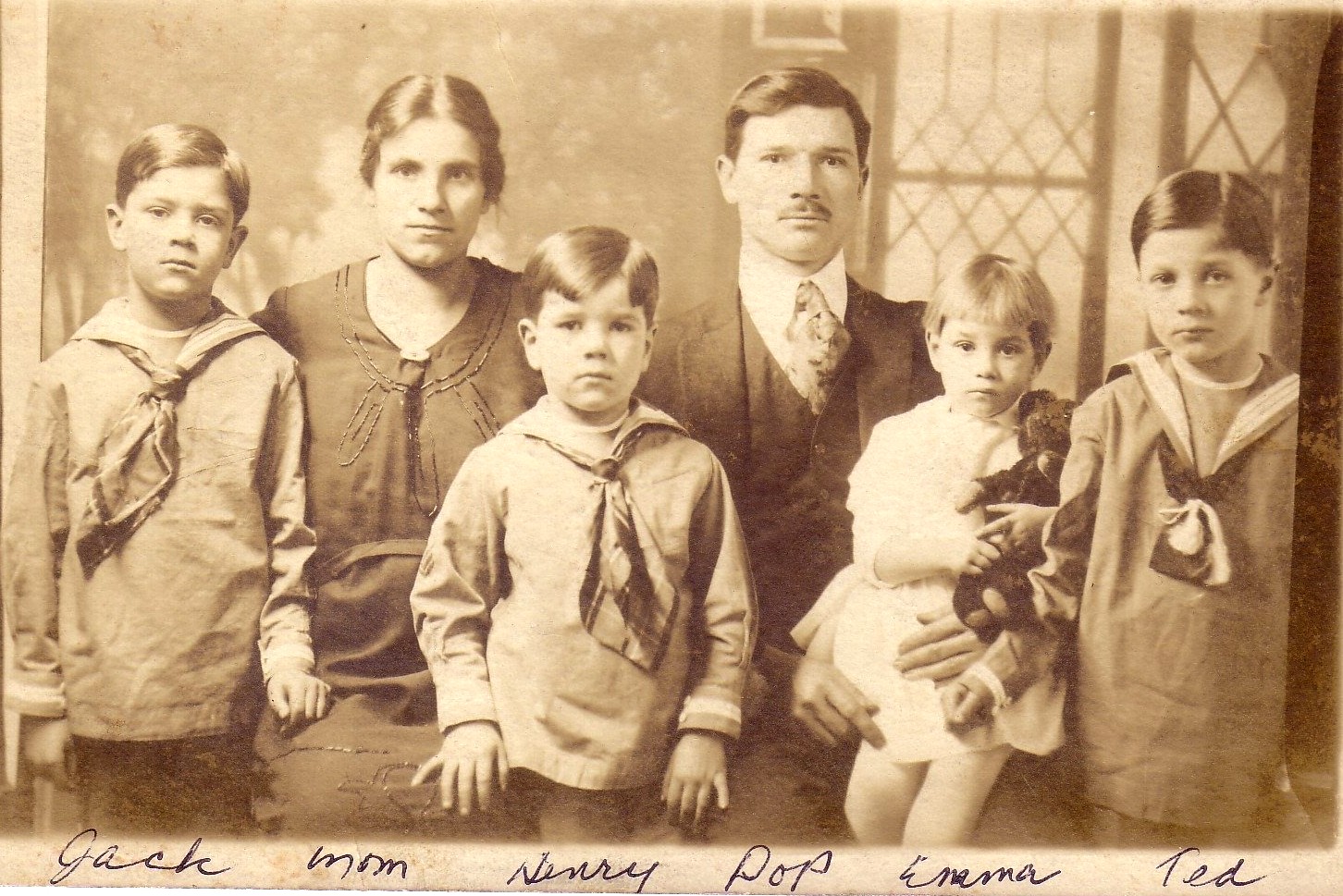
Like it or not, family plays a major role in shaping who we are; it should be no different for your characters. Family shapes our outlooks, beliefs, and more, whether we adopt those of our family or rebel against them. And depending on our relationships with our family — whether strained, completely absent, or very loving — it affects how we connect with others.
Often times in fiction, particularly in fantasy I’ve noticed, a character’s family is absent. While family members don’t need to be main characters, secondary characters or even appear in the novel, they need a presence through your character. A character from a wealthy, but distant, family will conduct themselves in a different manner than a character who is from a big, loving family. A character who never knew their parents will often behave differently than one who has.
Parents, siblings are more likely to have presence, which makes sense as our parents and siblings have perhaps the greatest affect on our development. However, writers should not underestimate the power other familial ties might have on your characters: Aunts, uncles, grandparents, cousins, etc., can all have powerful parts to play in your character’s life. As a side note to the above, do not forget individuals who are family in every way but blood; these people can also have profound effects on our lives.
When you make these connections, your characters feel more real, and readers can connect with them — after all, we all have family, good or bad, and for most of us, family is important. These connections can be made through characters thinking of a family member, carrying an item that holds sentimental value because of a certain family member, seeing something that reminds them of a family member, etc.
Writers should also not be afraid to look beyond their own definition of family: Different groups, cultures, countries and so on have different views on what a family is and how they behave. This is important to look at, especially if your characters are from a different country than you, the writer, or if you are world building when it is good to have variety.
Draw a family tree, at least back to your character’s grandparents or great-parents. Think up stories for each individual on the tree and their connections to the people surrounding them. Outline your character’s relationships with each of their family members even if they are non-existent. And most importantly of all, ask questions:
Did my character’s parents push them to excel in certain areas and not others? Or did they ignore my character’s development?
What beliefs were held by my character’s parents? How did these shape my character?
When was the last time my character has been home? If they have been gone a long time, is there a reason for their absence?
Do they keep in touch with their family? Only certain members? Why?
Who is their favorite relative? And why?
Were there problems in the family? Drugs, alcohol, money issues, abuse? How do they coop with these problems?
How does my character’s family handle tragedy?
There are hundreds of questions one could ask. These are just a few to get you started.
Don’t underestimate the importance of getting to know your character’s family — their past, present and future.






 Blood & Ink